Strong communities are built on strong infrastructure. While we often think of concrete in the context of commercial buildings or road systems, its role in supporting essential community services is just as important. Access to clean water, reliable sanitation and safe public gathering spaces often hinges on the quality and durability of the materials used to construct them. In many regions, especially those facing economic or environmental challenges, well-designed concrete structures can deliver long-term, transformative benefits.
Concrete is uniquely suited for community-focused projects because of its inherent durability. It withstands extreme weather, heavy use, and decades of wear with minimal maintenance—qualities that are crucial for public infrastructure that must serve large populations. For water and sanitation initiatives, concrete is frequently the safest and longest-lasting option. Water tanks, drainage channels, septic structures and well casings made from properly engineered concrete can function for generations, reducing contamination risks and ensuring that families have dependable access to clean water.
In areas prone to flooding or drought, concrete also helps stabilize land and protect vulnerable communities. Retaining walls, spillways and irrigation systems allow municipalities and local organizations to better manage water resources. These structures often become the backbone of agricultural resilience, supporting food security and reducing the impact of natural disasters.
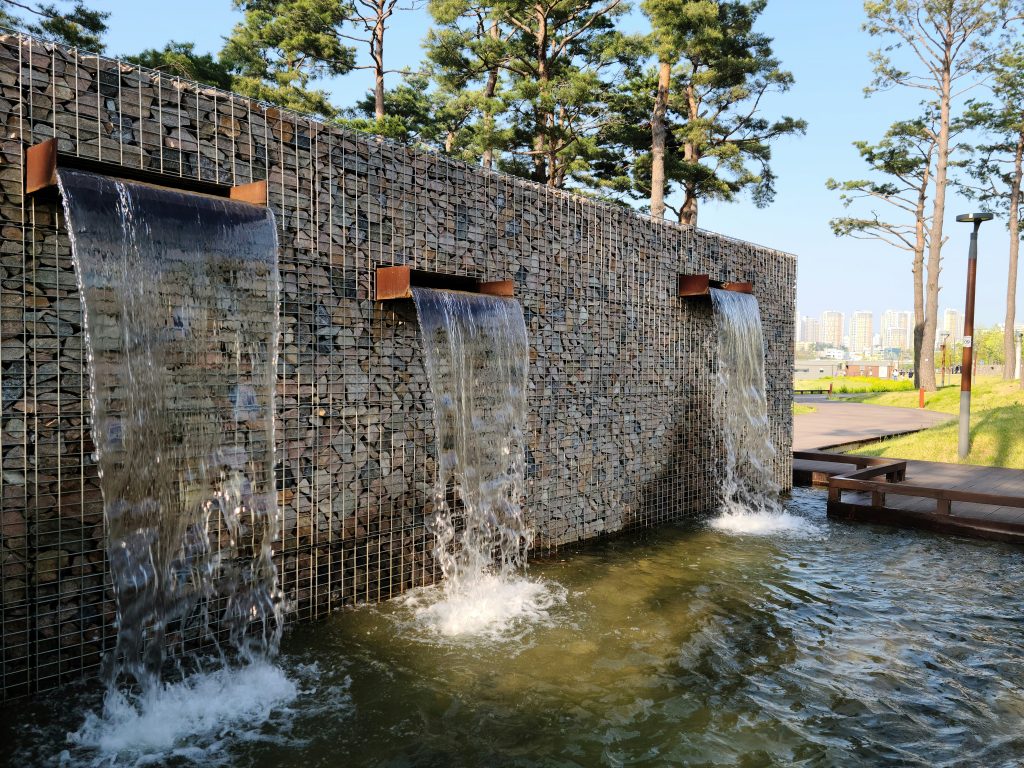
Beyond essential services, concrete plays a meaningful role in the spaces where communities gather. Sidewalks, plazas, markets, schools and community centers rely on sturdy foundations to remain safe and accessible. When these spaces are built from quality materials, they encourage connection, economic activity and cultural engagement. A durable plaza or public square becomes more than a construction project—it becomes a hub of daily life.
Cost-effectiveness is another important factor. While concrete requires careful planning and skilled installation, it offers one of the best long-term returns on investment. Its longevity reduces repair expenses and minimizes service interruptions, which is especially vital for nonprofits, local governments and grassroots organizations working with limited budgets. A structure that lasts twice as long ultimately serves twice as many people.
Sustainability also plays a role in modern community construction. Many projects now incorporate recycled aggregates or environmentally conscious production methods to reduce emissions and resource consumption. When combined with thoughtful design, these sustainable approaches ensure that a community’s infrastructure supports not only today’s population but future generations as well.
Successful community projects depend heavily on collaboration. Engineers, local leaders and philanthropic organizations must work together to identify needs, design durable solutions and ensure the responsible execution of each project. Contractors experienced in public and nonprofit infrastructure bring valuable insights, helping stakeholders understand what materials and designs will deliver the best long-term outcomes.
This is where partnering with trusted professionals such as Certified Concrete Construction becomes invaluable. When organizations invest in high-quality concrete infrastructure, they are investing in the safety, well-being and prosperity of the people they serve. From water systems to public spaces, durable materials create a foundation that empowers communities to grow stronger, healthier and more connected.